A referral is placed, but the patient is never seen. The clinician assumes scheduling is handling it. Scheduling is waiting for information. The patient expects a call.
In this illustrative scenario, each person has completed a task while the patient’s need remains unresolved. For a frontline clinician, that gap can become the starting point for leadership.
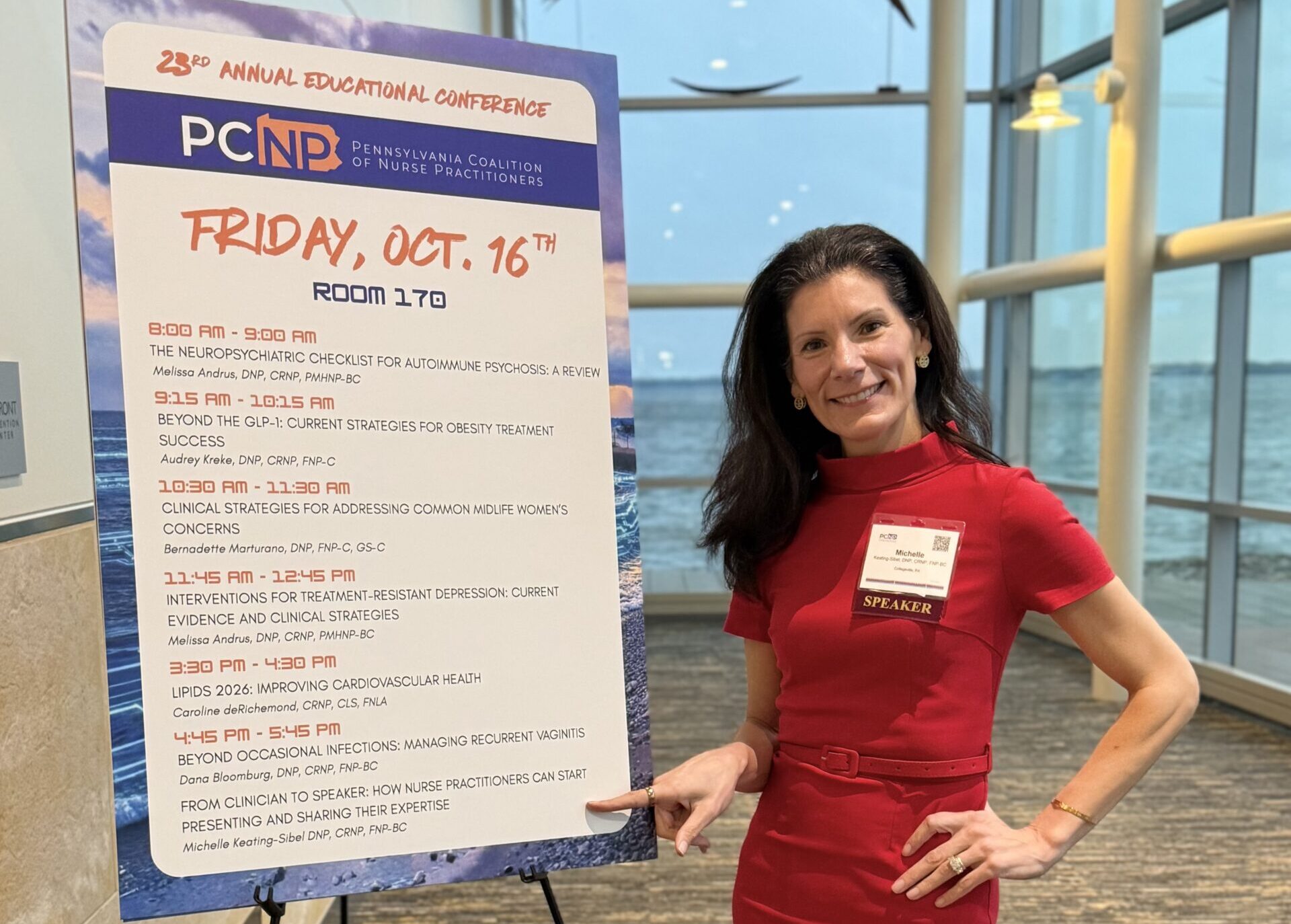
Michelle Keating-Sibel’s AANP presentation, NP Leadership in Value-Based Care Models, connects clinical judgment with the work of organizing care. Her experience across primary care, home-based care, and implementation brings both the patient and the process into the discussion.
Turn an Observation Into a Specific Proposal
“Our referral process is broken” signals frustration. A more useful proposal identifies where the handoff stalls, who is affected, and what the team could test.
For the illustrative referral problem, review a manageable sample of unresolved referrals. Invite the people who receive requests, contact patients, manage authorizations, and review reports to explain what they see.
Their accounts may reveal a different problem from the one visible in the chart. Leadership starts with understanding that difference before prescribing a solution.
Define Completion From the Patient’s Perspective
Agree on what the process needs to accomplish, then make responsibility explicit:
- Who notices when an appointment has not been scheduled?
- Who helps when the patient cannot complete the next step?
- Who receives and reviews the specialist’s response?
- Where does an unresolved or time-sensitive concern go?
Handing off a task should not mean handing off the ability to see whether it happened.
Ask for the Resources the Change Requires
A new checklist can add work without resolving the underlying gap. Consider the time, training, information, and authority staff need to use the revised process.
A focused proposal gives organizational leaders something concrete to assess: the problem, a limited test, the resources needed, and a way to judge the result.
Show What Changed for Patients and Staff
Track completed handoffs alongside unresolved requests and staff time. Ask whether patients understand the next step and whether the process works for people facing access barriers.
These observations help a team decide whether to adapt, expand, or stop a change. They also make the NP’s contribution visible as more than identifying a concern: it becomes a proposal for improving how care is delivered.
Bring a Real Care Gap Into the Conversation
Tell Michelle where your team sees the same problem recurring and who needs to be involved in changing it. A presentation or workshop can help NPs and practice leaders move from recognizing a gap to shaping a practical improvement proposal.