A team makes hundreds of outreach calls. The dashboard shows a busy month. Yet nobody can say how many patients completed the preventive service the calls were intended to support.
In this illustrative example, the activity is easy to count. Whether it achieved its purpose requires a different question.
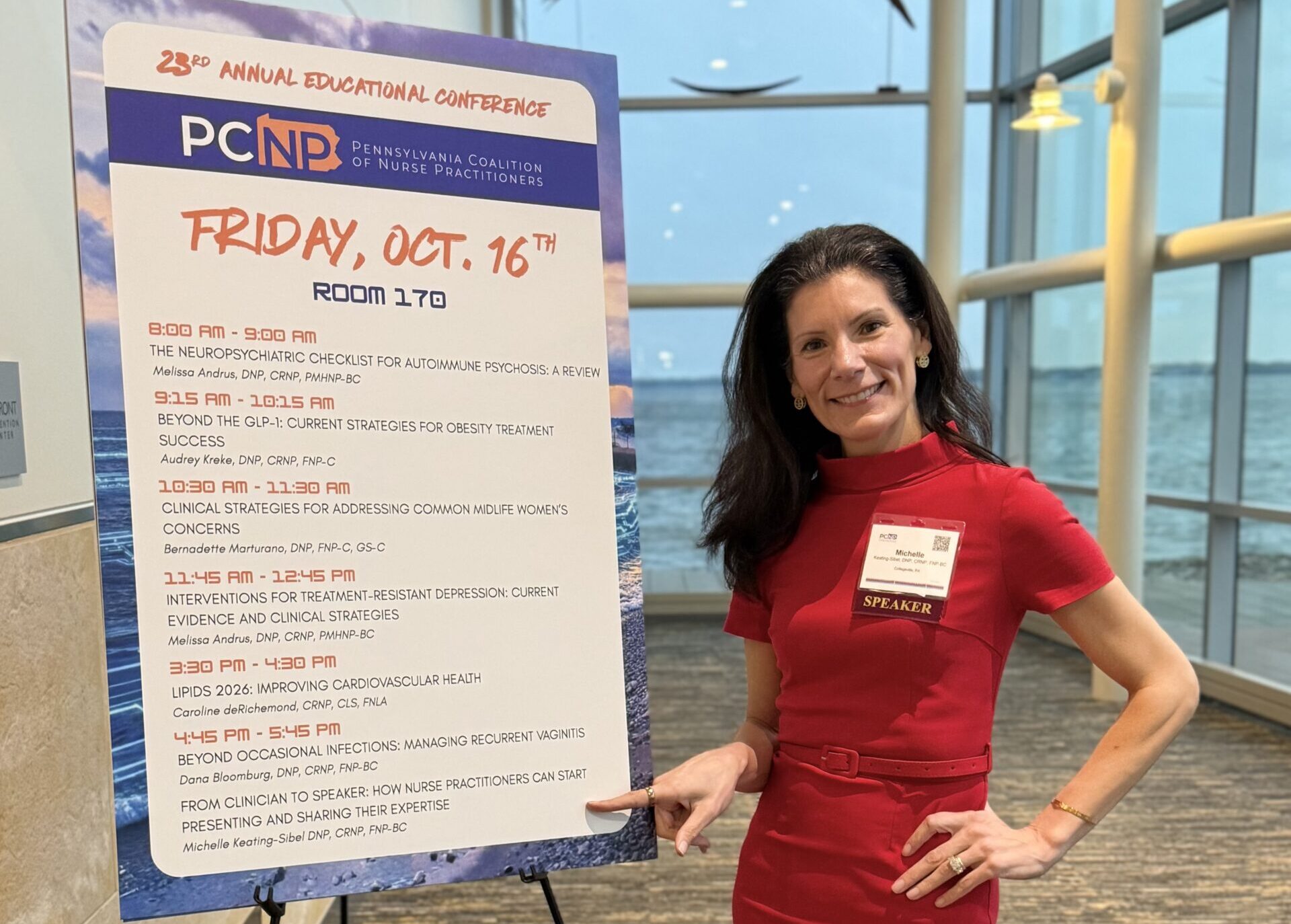
Michelle Keating-Sibel’s population health presentation, From Volume to Value: The NP as Architect of Population Health, connects frontline clinical insight with the design and evaluation of care. Her doctoral work on team-based Medicare Annual Wellness Visits provides a practical foundation for examining how preventive care becomes part of everyday work.
Decide What You Want to Learn
Before choosing a metric, define the population, the unmet need, and the improvement you want to see. Then ask what decision the findings should support.
“Increase outreach” describes an activity. “Understand where eligible patients lose contact with our preventive care process” gives a team something to investigate and change.
Read Three Measures Together
- Process: did the planned steps happen, such as contact attempts and follow-up arrangements?
- Outcome: did the intended result occur, such as completion of an appropriate preventive service?
- Balancing effects: what happened to staff time, appointment access, or other responsibilities?
An illustrative outreach review might examine calls attempted, agreed follow-ups completed, and staff time per completed follow-up. Each tells part of the story. Together, they help distinguish a gap in reach from a gap in follow-through or capacity.
Check What the Average Conceals
Define who is included, the time period, and how missing information is handled. An informed patient decision is different from a referral that stalled without anyone noticing.
Look for patterns involving language, transportation, scheduling, and digital access. A process that appears effective overall may still be difficult for particular patients to use.
Make the Findings Useful to the Team
Bring the results back to the people doing the work. Ask where the process stalled, choose a manageable adjustment, and review the same measures after a defined trial.
For NPs, practice managers, population health teams, and quality leaders, the useful outcome is more than a better dashboard: it is a clearer basis for deciding what to change, continue, or stop.
What Decision Should Your Dashboard Help You Make?
Bring a program goal, an outreach challenge, or a measure your team struggles to interpret. Michelle can discuss a workshop or focused review to help you connect the question, the workflow, and a useful set of measures.