A clinical recommendation is only the beginning. Someone still needs to identify the patient, prepare for the visit, explain the next step, and make sure follow-up happens.
That space between knowing what should happen and making it happen is where Michelle Keating-Sibel’s doctoral work connects with the challenges healthcare teams face today.
The Question Behind the Project
Michelle’s doctoral project focused on implementing a team-based Medicare Annual Wellness Visit program.
The work brought a practical challenge into focus: how do you make an evidence-based service part of everyday practice—with clear responsibilities and a process the team can carry out?
For a wellness visit program, that means looking beyond the appointment itself:
- How are eligible patients identified and invited?
- What information can the team gather before the visit?
- How are preventive care needs translated into next steps?
- Who follows up when those steps remain incomplete?
These questions matter because offering a service and helping patients benefit from it require attention to different parts of the process.
Look Beyond the Completed Task
Consider an illustrative example: a preventive screening is recommended and a referral is placed. The chart records the action, but the patient is unsure whom to call, encounters a scheduling barrier, or assumes the practice will arrange it.
The task is complete. The patient’s next step is still unresolved.
A team reviewing that process needs to ask where responsibility changes hands, how barriers become visible, and who checks that the patient received the help they needed.
That is the practical value of examining how care is delivered alongside what care is recommended.
A Perspective That Carries Across Settings
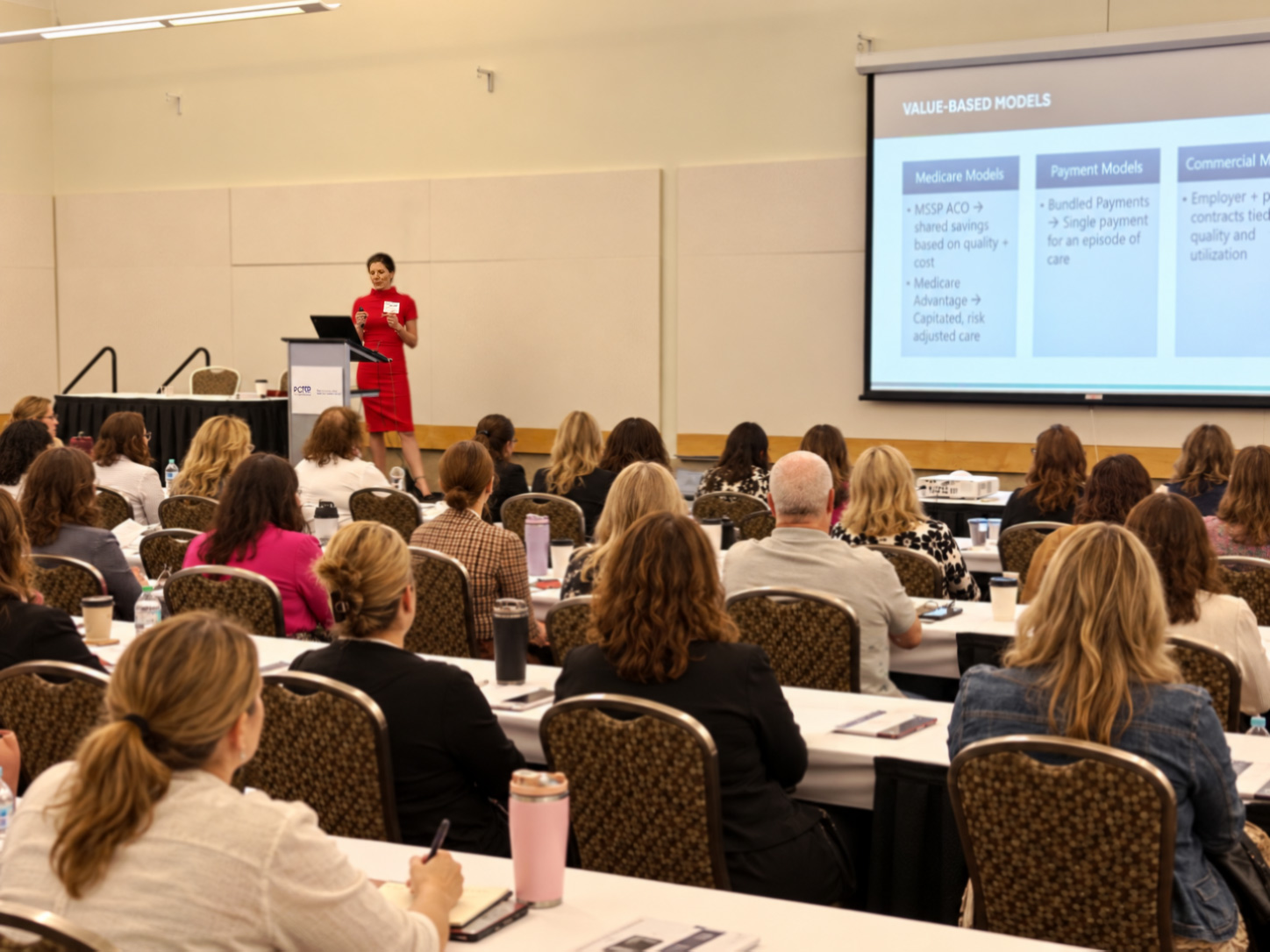
Michelle brings this attention to follow-through into her speaking, education, and consulting.
In professional education, she connects evidence with the decisions clinicians face in patient conversations.
In leadership and value-based care, she helps audiences examine responsibilities, handoffs, and measures that reveal whether a process is reaching its purpose.
In program and workflow discussions, she brings a practicing clinician’s perspective to what patients and staff will need to make a plan workable.
The questions remain useful across settings: What needs to happen? Who owns the next step? What might get in the way? How will the team know whether it worked?
Where Is Your Team Getting Stuck?
Perhaps your organization is introducing a preventive service, strengthening follow-up, or helping clinicians apply new evidence. Start with the point where a good recommendation becomes difficult to carry out.
Michelle can discuss a presentation, workshop, or focused consulting engagement built around that challenge.